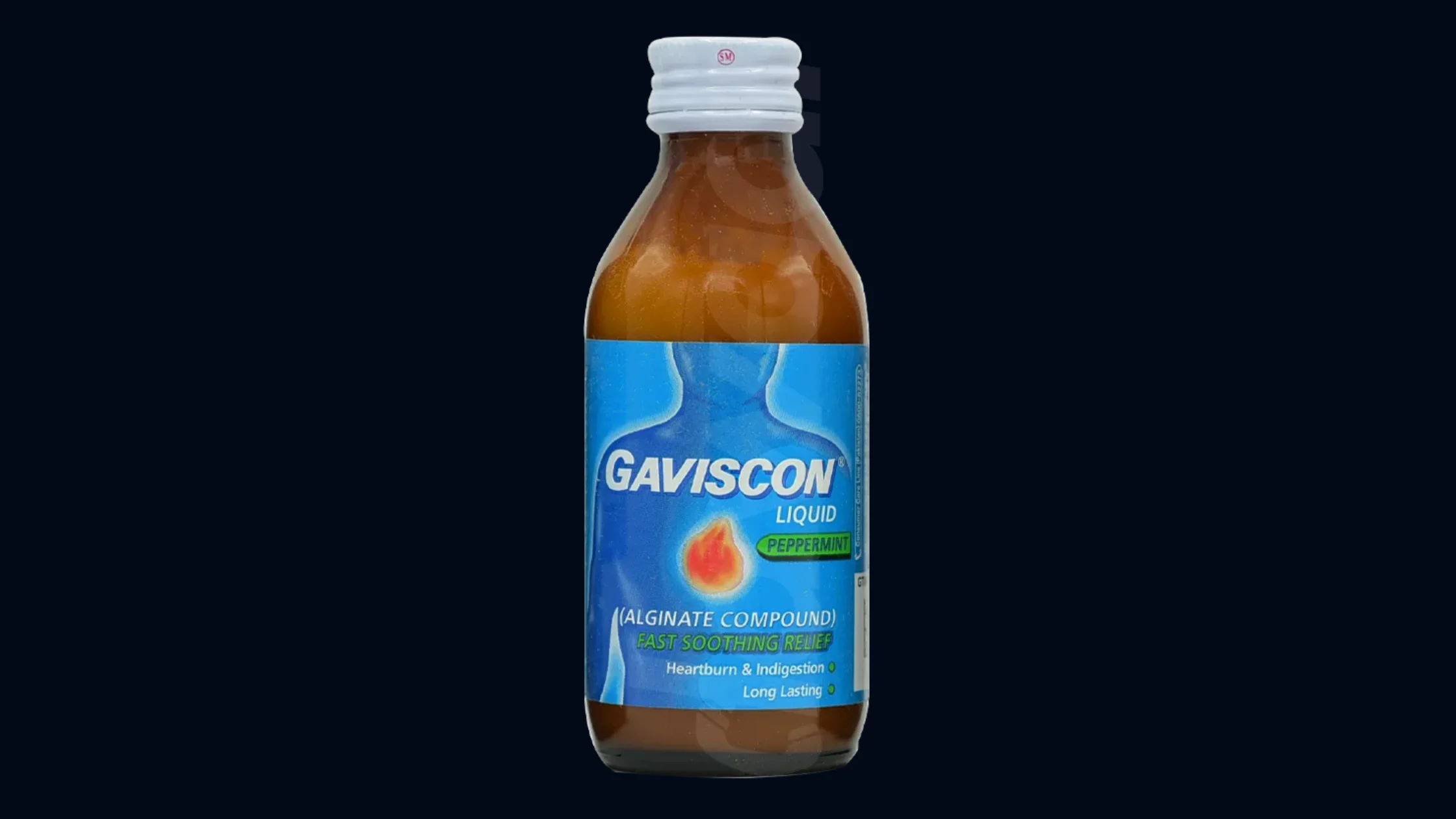
Gaviscon syrup is a widely used over-the-counter medication known for its effectiveness in relieving symptoms of acid reflux and heartburn. In this detailed blog, we will explore everything you need to know about Gaviscon, from its medical classification to its benefits, dosage, side effects, indications, and use during pregnancy.
What is Gaviscon Syrup?
Gaviscon is an antacid medication that works by neutralizing stomach acid and forming a protective barrier in the stomach and esophagus. This barrier prevents acid from rising into the esophagus, thereby reducing heartburn, acid reflux, and indigestion. It is available in the form of a syrup, which is easy to take and quickly relieves symptoms.
Medical Classification and Generation
Medically, Gaviscon belongs to the class of medications called antacids. It is not categorized by generations like antibiotics or other specialized drugs, but it is considered a modern antacid with alginate technology, which makes it more effective than traditional antacids. The alginate component forms a foam barrier on top of the stomach contents, providing rapid relief from acid reflux.
Benefits of Gaviscon
Gaviscon offers multiple benefits, including:
- Relief from Heartburn and Acid Reflux: It neutralizes stomach acid and prevents reflux into the esophagus.
- Soothes Indigestion: Helps reduce discomfort from overeating or spicy food.
- Protective Barrier: Forms a gel-like barrier on the stomach contents to prevent irritation.
- Rapid Action: Works quickly, often within minutes of consumption.
- Safe for Most Adults and Children: With proper dosing, Gaviscon is safe for a wide range of users.
Dosage of Gaviscon
The dosage of Gaviscon depends on age and severity of symptoms. Here is a general guideline:
Adults and Teenagers (12 years and above):
- Dosage: 10–20 ml after meals and at bedtime.
- Maximum: Up to 80 ml per day.
Children (6–12 years):
- Dosage: 5–10 ml after meals and at bedtime.
Children (1–5 years):
- Dosage: 2.5–5 ml after meals and at bedtime.
Infants (under 1 year):
- Dosage: Only as directed by a pediatrician.
It is important to shake the bottle well before use and measure the dose using a proper measuring cup or spoon.
Side Effects of Gaviscon
While Gaviscon is generally safe, it may cause some side effects in certain individuals, such as:
- Mild constipation or diarrhea
- Nausea or upset stomach
- Allergic reactions (rare, such as rash, itching, or swelling)
Most side effects are temporary and resolve on their own. If severe reactions occur, seek medical attention immediately.
Indications for Gaviscon Use
Gaviscon is indicated for the following conditions:
- Heartburn
- Acid reflux (GERD)
- Indigestion
- Dyspepsia
- Gastric irritation due to excessive stomach acid
Use of Gaviscon During Pregnancy
Gaviscon is considered safe for use during pregnancy. It is often recommended for pregnant women experiencing heartburn and acid reflux, which are common due to hormonal changes and pressure on the stomach. However, it is advised to consult a healthcare provider before starting any medication during pregnancy.
Conclusion
Gaviscon syrup is a reliable and effective solution for managing heartburn, acid reflux, and indigestion. Its alginate-based formula provides rapid relief and creates a protective barrier against stomach acid. By following proper dosage guidelines and consulting a doctor when necessary, both adults and children can safely benefit from Gaviscon. Always be aware of possible side effects and use it responsibly, especially during pregnancy.
Gaviscon not only relieves discomfort but also improves the quality of life for those suffering from frequent acid-related problems. Incorporating this medicine into your routine, under medical advice, can help manage symptoms effectively and safely.